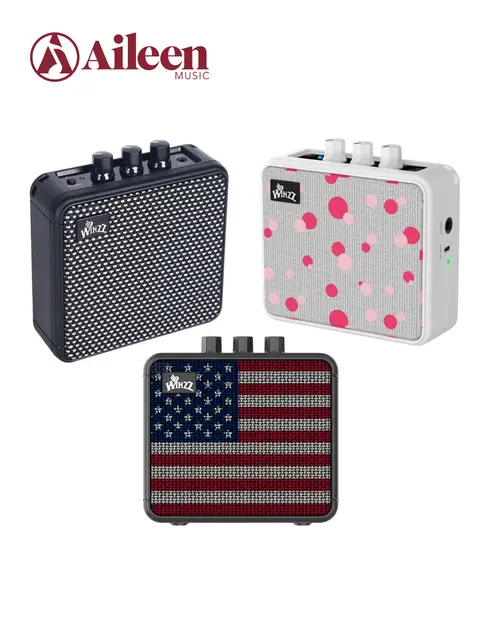
An amplifier should fit the loudest setting you need and the quietest setting you use regularly. Write down your home practice, rehearsal and performance situations separately. You may discover that recording connections and predictable low-volume controls matter more than maximum output.
1. Test at your everyday volume
Ask to hear the amplifier at a realistic practice level before trying louder settings. Check whether the volume control gives you a manageable range near the bottom of its travel. Try a clean sound and the driven sounds you expect to use. Power ratings alone do not tell you how an amplifier will behave in your room. If it has a reduced-power mode, compare the available settings using the same short passage.
2. Define the rehearsal requirement
Consider the other musicians, room size and whether a PA system will carry the guitar. A player needing a clean sound alongside a drummer has a different requirement from a player recording quietly at home. Test the available headroom in the intended context where possible. Include transport in the decision: weight, handle placement and cabinet dimensions can determine whether an amplifier remains practical after the first few rehearsals.
3. Verify the connections you expect to use
Headphone, line, USB and speaker outputs have different purposes. Read the exact model’s manual and confirm which outputs include speaker or cabinet simulation, when that matters to your recording plan. Check whether headphones mute the internal speaker. If using an external cabinet, follow the manufacturer’s load and connection requirements. Do not infer compatibility from a similar-looking socket or from another model in the same product family.
4. Compare a complete working rig
Try the amplifier with your guitar and the pedals you rely on. Check the effects loop if required, and confirm which foot controller or expression pedal is compatible. Some functions depend on software or accessories, so include those in the cost and setup plan. Save a straightforward sound and check how easily you can recall it. A useful final shortlist records sound, operating volume, connections and carrying weight in the same place.
Technical references: BOSS, KATANA-100 Gen 3 Features and Specifications; Fender, Electric Guitar Pickup Types.
Product information: MojoZone Editorial
Community
The conversation
Contributions appear after moderation. Share your own experience and keep personal contact details private.