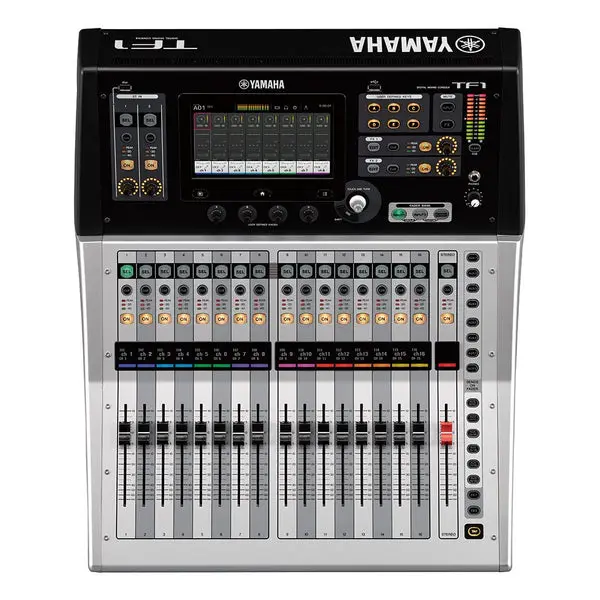
A useful home recording system is sized around the sessions you actually intend to make. List the voices and instruments you want to record, and mark which must be captured at the same time. That simple plan prevents many unnecessary purchases.
1. Count simultaneous inputs
Recording a voice and an acoustic instrument together may need a different input arrangement from recording each part separately. Check the type and number of physical inputs on an interface, including microphone and instrument connections. Do not assume a headline channel count means the same number of microphone preamps. Confirm operating system support, required drivers and included cables. If you only need one voice, a suitable USB microphone may offer a simpler starting point.
2. Match the microphone to the source and room
Shure’s home recording guidance separates different sound sources because one microphone choice does not suit every situation equally. Compare how a microphone responds to your voice or instrument at a practical working distance. Pay attention to room reflections, nearby noise and the pickup pattern. A dynamic microphone does not automatically remove the room, and a condenser does not automatically make a recording better. Placement and the surrounding space remain part of the result.
3. Verify power and monitoring
Check the microphone’s stated power requirements and the interface’s available facilities before connecting equipment. Confirm that you can monitor yourself at a comfortable level while recording. Try direct monitoring if the interface supports it, and listen for distracting delay through the software route. If two people will record together, plan headphone distribution as well. An additional input is of limited use when the second performer cannot hear the session clearly.
4. Make a repeatable test recording
Record the same short passage at two or three microphone positions without changing every setting between takes. Leave room below clipping and compare the recordings at similar playback loudness. Include a sturdy stand, appropriate cable, pop filter where useful and reliable headphones in the budget. Improve one identifiable weakness at a time. Keep notes about the source, microphone position and settings so a successful result can be repeated at the next session.
Technical references: Shure, How to Choose the Best Microphones for Home Recording; Shure, Dynamic and Condenser Microphone Differences; Shure, Microphone Techniques for Recording.
Product information: MojoZone Editorial
Community
The conversation
Contributions appear after moderation. Share your own experience and keep personal contact details private.