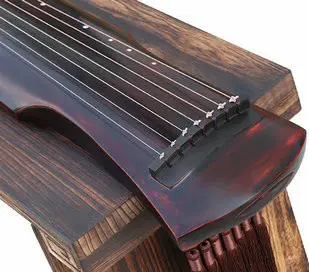
Chinese musical instruments cover distinct playing traditions, techniques and ensemble roles. A first purchase should follow the instrument you want to learn and the instruction available to you. Comparing an erhu, guzheng and dizi by price alone cannot answer that question.
1. Choose the learning path first
Listen to several performances and identify the sound and role that interest you. Then ask a teacher which instrument specification suits the introductory course. Confirm the expected tuning, size and any relevant construction details before ordering. If you want to play with an ensemble, check its requirements as well. A clearly defined learning path helps you avoid buying an attractive instrument that differs from the one used in your lessons.
2. Request a demonstration of the actual instrument
A recording can be helpful when it identifies the individual instrument and uses a simple, consistent recording setup. Ask for quiet and stronger playing across the useful range, rather than only a polished performance with accompaniment. For an erhu, a knowledgeable player can assess the response of both strings and the bow. For other instruments, ask the teacher which checks reveal setup or response issues. Recording conditions still influence what you hear.
3. Establish what arrives ready to use
Ask which strings, bridges, bows, tuning tools, picks, membranes or stands are included, as appropriate to the instrument. Confirm whether setup work is completed before dispatch or must be arranged after arrival. Eason Music’s erhu guidance highlights responsiveness and suitability for the player; those are useful questions to raise alongside maker and material descriptions. Decorative carving and an impressive wood name cannot by themselves establish playing quality.
4. Make maintenance part of the comparison
Find out where you can obtain the correct replacement consumables and who can perform adjustments. Request care instructions suited to the materials and your storage conditions. For a large instrument, measure the case, stand and playing space before purchase. Keep the maker’s identification, condition photographs and package contents together. When two options appear similar, clear setup support, reliable consumables and an instrument that fits your course provide concrete reasons to prefer one.
Technical references: Eason Music, The Ultimate Guide to Choosing an Erhu; Yamaha, Musical Instrument Guide.
Product information: MojoZone Editorial
Community
The conversation
Contributions appear after moderation. Share your own experience and keep personal contact details private.