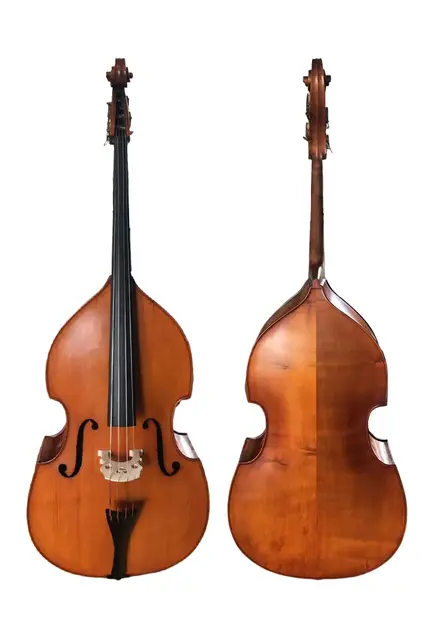
A first violin is easier to assess with a teacher or an experienced string specialist. Photographs and wood descriptions cannot show how comfortably a player can hold the instrument or how consistently it responds. Build the purchase around fit and a playable setup.
1. Confirm the player’s size
Violins are available in full and fractional sizes. Age alone is an incomplete guide because players differ in reach and posture. Yamaha’s sizing guidance uses a comfortable reach around the scroll as a preliminary check, but an in-person teacher or specialist can judge the complete playing position. Do not buy an oversized instrument simply to postpone the next purchase. Ask whether an exchange or rental arrangement is available as a young player grows.
2. Ask what setup work is included
Request a clear explanation of bridge adjustment, string height, tuning peg operation and the condition of the strings. These parts influence how readily the instrument can be played. A beginner may struggle to distinguish a setup problem from a developing technique, so have an experienced player check the instrument. For used examples, ask a qualified repairer to inspect structural condition before agreeing a price. Keep the written condition description for reference.
3. Try the bow with the violin
Bow weight and balance affect control, and the feel cannot be judged reliably from the material label alone. Try slow sustained notes, simple string crossings and short strokes with appropriate instruction. Check that the tightening mechanism works smoothly and that the bow is in suitable condition. Consider availability and cost of rehairing or replacement. An attractive instrument bundle is less useful when the bow makes ordinary exercises difficult to manage.
4. Compare total support and costs
Include a protective case, rosin and suitable support accessories in the budget. Have a teacher help fit any shoulder or chin support rather than choosing solely from photographs. Confirm the return period, adjustment support and local repair options. If considering an electric or reduced-volume design, check the required amplification, headphones and power supply. Record the reasons for your choice: comfortable fit, consistent response and reliable support make a stronger starting point than decorative details alone.
Technical references: Yamaha, Choosing a Violin; Yamaha, Fractional Size Violins; Yamaha, Choosing a Bow.
Product information: MojoZone Editorial
Community
The conversation
Contributions appear after moderation. Share your own experience and keep personal contact details private.