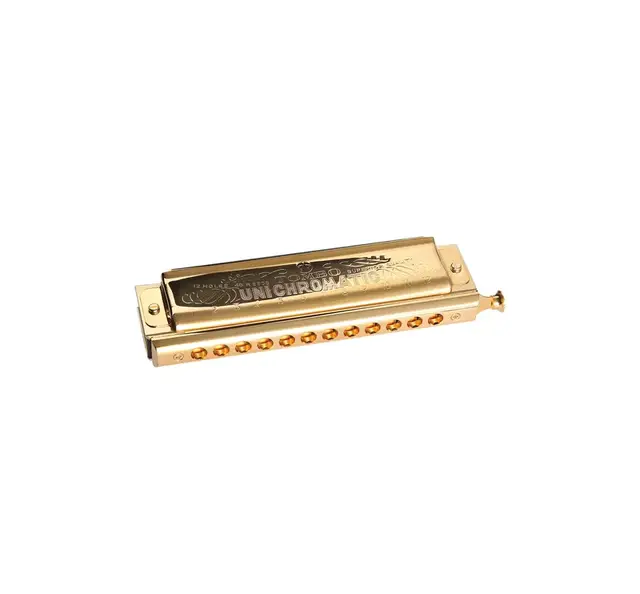
A first wind instrument should match the music programme and the player’s physical comfort. Clarinet, flute, saxophone and brass instruments have different requirements. Confirm the exact type with the teacher before shopping, then identify a repair service that can support it.
1. Agree the instrument specification
Ask which instrument family, size and tuning are expected for the lessons or ensemble. Similar names can describe instruments used for different roles, so keep the required specification in writing. Try the normal playing position and check the reach to the keys or valves. Consider the weight of the instrument and its case, especially for regular school travel. A teacher can help separate an unfamiliar posture from a genuinely unsuitable fit.
2. Inspect condition with a specialist
On a used woodwind instrument, pad condition and key regulation can affect response. Brass instruments also require checks to valves, slides and overall condition. Ask for the service history and an estimate of any immediate work. A low purchase price may become less attractive after repairs are included. Confirm that replacement parts and competent servicing are available for the exact make and model you are considering.
3. Treat the mouthpiece setup as a system
For reed instruments, the mouthpiece and reed work together. A reed strength number is not a universal measure of quality, and the most demanding combination is not necessarily the best learning choice. Yamaha’s saxophone guidance describes how reed choice interacts with mouthpiece opening. Begin with the teacher’s recommended setup and change one element at a time. Keep notes about response, comfort and tone instead of buying several unfamiliar components together.
4. Plan care and everyday use
Ask for instrument-specific cleaning and drying instructions and a demonstration of safe assembly. Budget for the appropriate swab or cleaning materials, a protective case and regular replacement reeds where required. Follow the maker’s guidance for materials and cleaning products. Check the return terms and whether initial adjustments are included. A useful purchase is one that arrives ready for lessons and remains straightforward to maintain, with support available when its response changes.
Technical references: Yamaha, Musical Instrument Guide; Yamaha, Choosing a Saxophone Reed and Mouthpiece; Yamaha, Alto Saxophone Mouthpiece Guide.
Product information: MojoZone Editorial
Community
The conversation
Contributions appear after moderation. Share your own experience and keep personal contact details private.